
Commenting post about study conducted by Helen F. Dodd, Kirsty Cordwell, Kathryn Hesketh, Avril Johnstone, Alejandro de la Torre-Luque, and Paul McCrorie.
A brief overview of the study
They conducted a longitudinal study of children (initially 5,217 children) born in Scotland between June 2004 and May 2005. They assessed the development of strengths and the occurrence of social difficulties.
The study:
- This is the first long-term and extensive study.
- It confirmed what was already known: playing outdoors has a positive effect on children’s mental health.
- It also discovered something new: children who played outdoors more often between the ages of 2 and 4 were less likely to have mental health problems as they grew older.
Comment
You can take your child for a walk in the field or in the forest. This will result in a physically strong individual who can perform repetitive tasks efficiently and effectively. And in society, solve problems exactly as he learned to solve them in the field and in the forest.
A child can be placed in a society that has certain children: only “good”. This will result in a sociable and creative person, however, requiring exceptional comfort and unable to accept the “dark” side of people. In other words, a kind of half-human.
↑↑↑ This is usually what mothers do in a state of permanent absence of a father and personal anxiety.
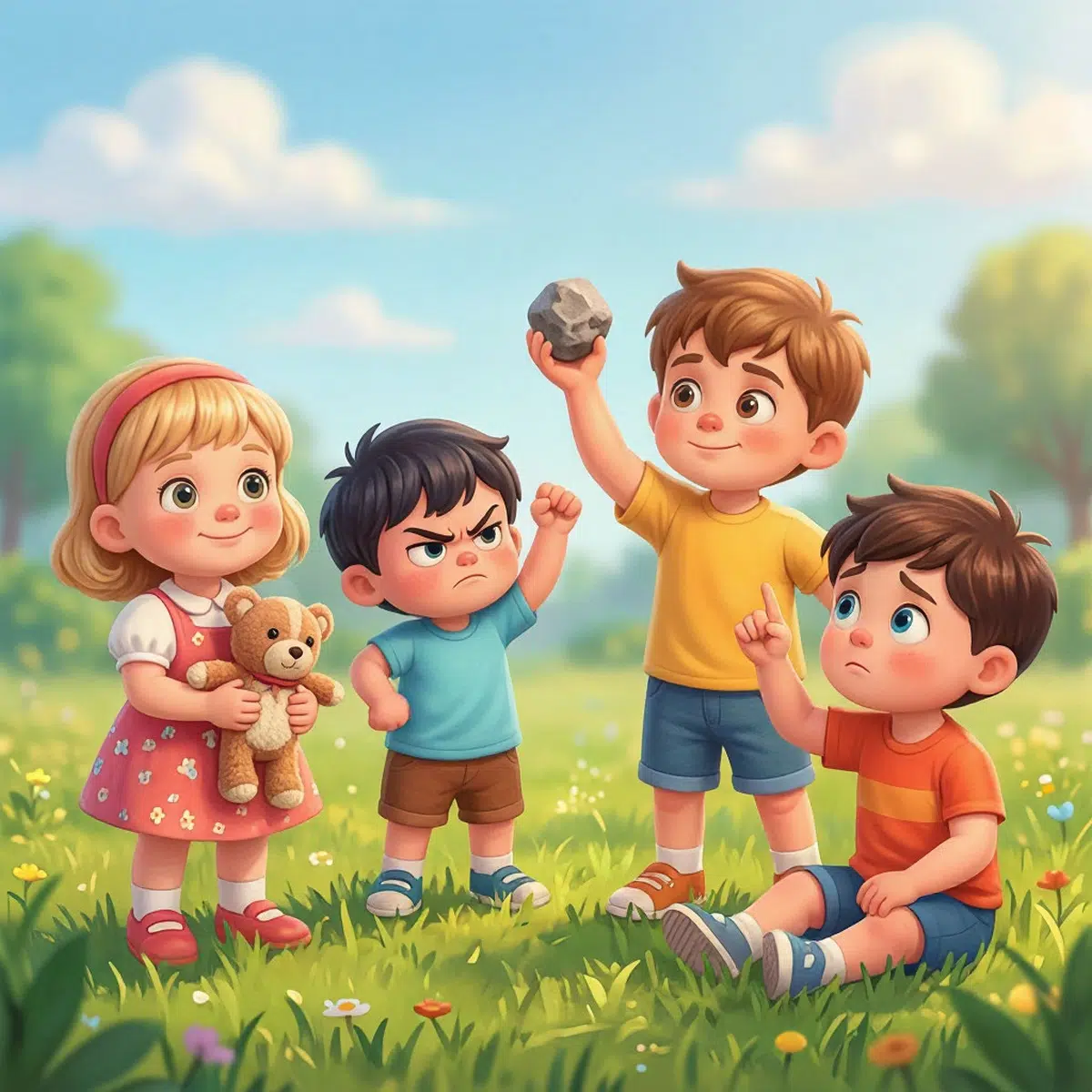
A child can be placed in a society where there are different kinds of other children: smart, stupid, kind, mean, strong, weak, etc. There will be an indescribable process of tuning and linking two systems: rational thinking and emotional perception. And, probably, a person will come out.
What does this mean?
